
Motivation shifts and rest can determine where to place your bets.
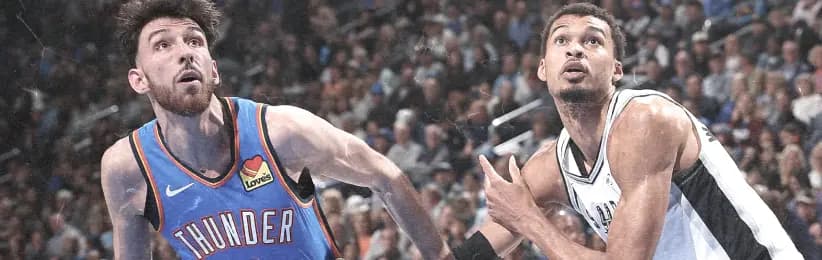
The casual market holds onto old storylines too long after the NBA All-Star break, while sharps look at different ways to spot value beyond the names on the jersey.
Every Night Means Something
The NBA All-Star break offers a quick reset for the 100’s of players who didn’t make the cut for NBA All-Star Weekend. The January grind is over. Batteries get re-charged. Motivation gets a reset for fans and teams that are on the playoff bubble, while it flatlines for other teams who are too far out.
The push for the NBA Playoffs starts right after the All-Star break. Post-All-Star betting means there’s a lot of data, half a season’s worth, and NBA trends are reliable enough to bank on.
Other factors that impact your NBA betting strategy?
The standings tighten up because these games mean more every night. Players who mailed it in in mid-January are more likely to go all-out now. The trade deadline has passed, so players know where they stand, but it’s only been a week since new teammates have had time to settle in. How they fit into the new lineup is still up in the air. That also means some bench players and even some starters need to adjust. All this can impact NBA totals and spreads after the All-Star dust has settled.
Motivation can fit into three basic buckets. Weigh each one to get the best NBA betting edges:
- Teams pushing for seeding or trying to avoid being done by mid-April will ramp up minutes for their top guys and shorten the rotation. These are teams going hard every night right up until the NBA Play-In Tournament happens.
- Established contenders still manage the regular season, but you’ll see less load management against contenders or on national TV. Winning cultures need to be established and solidified before playoff time.
- Teams that are setting the stage to start tanking or at least want to build for next season will lean more into development. That means giving more minutes to young players, with different rotations every night. More random lineups happen, which can make things volatile against the spread. Don’t count these teams out necessarily. They can be full of players going hard for the full 48 as they try to secure a spot in the starting five next year.
Books know all of this, but they still have to post NBA lines and odds based on full-season data and public perception. A team that started 12–23 can go .500 ATS or better down the stretch just by playing hard, while the market still prices them like a punching bag. Historically, teams that were covering fewer than 40% of the time before the break have made the jump to 54% ATS in the second half of the NBA season as the effort increases.
On the other side, first half teams playing above .500 can come back to earth. Teams that had covered at 60% or better before the break have shown ATS percentages close to 47% after it. That’s regression that doesn’t always look obvious in the lines. You might be paying a premium to bet on teams that are playing above their weight.
The edge for NBA sharps relies on being early on motivation changes:
- An injury-filled roster before the break that gets healthy and clearly decides to chase the #6 seed.
- A team that quietly shifts into developmental mode, where veterans sit with minor issues and young guys close out games. You can see from the box score who’s getting more minutes than usual and who is sitting more than they normally would.
- A playoff lock that starts prioritizing long-term health over nightly statement games. Underdogs can offer value here as actual spreads shrink compared to the numbers set by the books.
The smart money recognizes the point at which the way a team is likely to perform post-break no longer matches the way the market has been pricing them for much of the season.
Check the latest odds at Lucky Rebel.
Rest Patterns Become a Market
Rest deserves its own mention when it comes to post-All-Star betting and NBA trends.
Over 82 games plus the playoffs, rest is currency. Especially after the break when every game feels heavier.
The league has reduced back-to-backs and eliminated some of those brutal four-in-five stretches, but every team still deals with enough travel and compressed weeks. That creates pockets of value that casual bettors mostly ignore while they get swayed by star power. Looking at rest advantage – the fact that LeBron is playing a road game on the second leg of a back-to-back instead of just looking at his vibe – is a good way to determine part of your NBA betting strategy.
When an opponent’s legs aren’t fresh, have a good look at teams with elite defensive numbers, even if they’re the underdog. They’ll wear down a team, and live betting the NBA can produce some solid opportunities in the second half of games because of this. At the same time, downgrade veteran-heavy teams that are playing on travel-heavy weeks. Especially when you know they’re looking to stay healthy for the playoffs – those top players might see fewer minutes or a night off completely.
Where the Market Misprices the Stretch Run
Once motivation comes into play, you see the sportsbooks mispricing lines and totals because they hang on too long to the data from the first half of the NBA season.
They’ll overrate ATS kings and underrate teams with weaker records, like we mentioned above. Big spreads can show up on the bet slips, but the actual games could be much closer.
Totals get mispriced too. Early post-break Overs have historically held an edge because defenses are slower to come back after the week off. This leads to more scoring and a profitable Over trend in those first games back
The post-All-Star stretch isn’t magic. You just need to get sharper at motivation intangibles, more honest than the pre-break patterns are telling everyone. Teams get tired, bored, and desperate. And they get mispriced.