
Fourth of July MLB games deliver specific trends that you can bank on
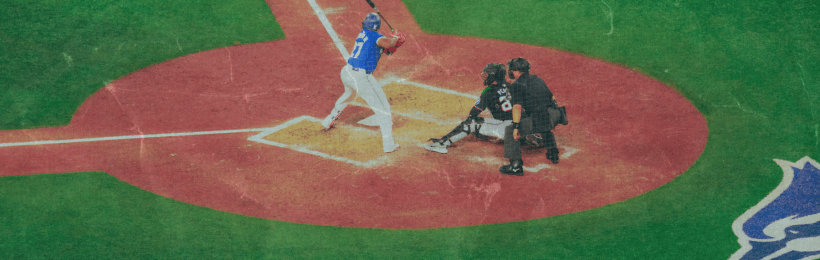
MLB’s Fourth of July games have their own rhythm, separate from your standard baseball weekend.
MLB betting trends on the big holiday have some key patterns that you can capitalize on ahead of the action. Home favorites, scoring patterns, and weather angles all show up repeatedly when it comes to having an impact on Fourth of July baseball betting.
Fourth of July Trends: Home Sweet Home
Home team bets have been one of the most reliable angles on Independence Day over the past few decades. Since 2005, home sides on July 4 have gone 119-74 straight up. That’s hitting about 62%, better than whatever edge you’d get on Opening Day, where it’s anybody’s guess after a long off-season, or some random August weekend where the MLB grind is catching up to everyone. It’s a win rate that’s meaningfully higher than the long-term home winning percentage in MLB, which is closer to the mid-50% range.
Surprisingly, it looks like it’s more of a human thing than something the data nerds can uncover.
Holidays pull road teams away from their families and normal routines. The Fourth of July is second only to Christmas when it comes to major travel and family obligations. So while home clubs get the comfort of their own ballpark and actual homes, the road teams either have to squeeze in some family time in a short window before the games or just miss out. Either way, the chances they’re even slightly off their game are higher. You can’t pin it down to one thing, but even a small loss of focus can make the difference at the plate or on the mound.
Sharps know this, and they’re often responsible for the line moves toward the home team after they open.
Check out the Latest Baseball Odds.
Follow the Sharps on the 4th
This is why smart-money MLB bettors follow the steam on Independence Day. Since 2005, home teams that see their lines move in their favor after opening – becoming a heavier favorite or a smaller underdog – have gone 82–39 SU. That means cashing around 68%. That’s doesn’t make you auto-bet the home favorites or home ‘dogs, but it’s definitely a strong enough number to pay attention to.
Isolate the games on the 4th as a filter, then check if the actual matchups support betting this pattern.
In other words, if you’re looking at a -150 home favorite on July 4 that opened around -135 and has taken steady steam from sharps, with a pitcher or batting lineup that’s live, history says you can respect that move and still cash.
Scoring Patterns, Totals, and Run Environment
Baseball scoring on Fourth of July doesn’t flip the league on its head compared to any other regular season game, but there are a few patterns worth knowing.
July 4th can be a furnace in much of the country, including the areas we don’t usually associate with extremely hot weather. Boston, New York, and Toronto can hit the 90s easily in early July.
Because most cities and teams know that 4th of July planned activities, plus cookouts and fireworks, happen at night, they’ll load up on day games to make sure they have fans in the seats. Peak heat happens between 1pm and 4pm in most places, and MLB betting fans know that warm conditions can often make for better carry-on fly balls. You also know that major heat waves can sap the strength and endurance from legs and arms, making for tired bullpens.
With those factors in play every season, the books will respond by setting the O/U higher with certain parks and matchups on the 4th – so you don’t get free value just because it’s summer and the ball is flying. Understand that before you blindly chase Overs. That means looking at the batting vs. pitching matchups closely. The ball might still be jumping out of the park – and books need to be more conservative when bumping up the totals than you do. That means the Over could be the play on Independence Day just based on peak hot weather start times; you just can’t auto-bet it.
Betting the July 4th Weather Factors
Before you take a stand on a total or a run line, you need to put on your weather forecaster hat. If you do it right, you might hit short windows where totals move sharply, and trailing the move is more valuable than usual.
Like we mentioned, warm air and higher humidity generally help the ball travel, which can increase home run rates and push totals over, especially in those stadiums already known as hitter-friendly parks.
This means paying attention, where weather nuances can make a difference in making money. A 1:05 p.m. Eastern game in New York with light wind out to right field plays differently than a late-afternoon game in Seattle with heavier marine air suppressing carry.
Too weather-geeky? Sure. But the books bake much of the forecast into their openers, where the late changes are missed or updated late, especially in live MLB betting. Taking a break from watching Uncle Jim get loaded at the family BBQ and catching a lagging, stale line could make for a solid W on the bet slip.
Your MLB Fourth of July bets can use a simple weather checklist to uncover an edge or two:
- Check the projected temperature and wind for each park and tag a few games with extreme conditions expected (wind, rain, heat).
- Then spot totals that haven’t moved despite clear weather factors that will support or suppress runs.
The biggest mistakes around betting MLB on the 4th come by skipping the weather context. Hammering Overs in parks where wind is blowing in, taking Unders on a scorcher of a day with weak ‘pens, or fading home favorites that simply win more often on this single day of the MLB calendar. These are all easily avoided, but they’ll be skipped by the casual betting public – while you take in some solid holiday cash.