
Find value in player props beyond the big names
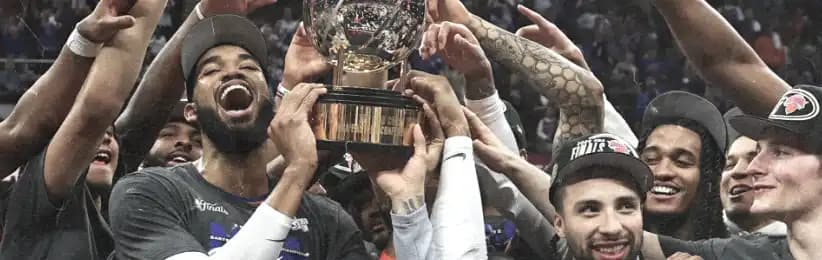
How are those NBA Finals prop bets looking?
If you went just Wemby-KAT-Brunson for the early part of the series so far, you’re probably missing out.
The NBA Finals are where role players often decide series. The top dogs have their moments for sure, but it’s the bench where games are often decided. The betting markets might be mispricing NBA player props, especially in rebounds, assists, and bench props.
Stars Sell the Storylines While Role Players Swing the Series
We all know the main Finals MVPs by heart. Jordan, Kobe, Shaq, Steph, LeBron.
For good reason, too. They usually deliver big numbers and hit clutch shots when it’s all on the line. Title runs are also stacked with guys who never sniffed a max contract though. While the big brand names are tightly priced and have the shortest odds, other guys have long odds that can turn into big paydays for some NBA bettors.
Andre Iguodala winning Finals MVP over Stephen Curry in 2015 is a great example of something no one saw coming in their NBA futures picks. Iguodala did it by being in LeBron’s business every game and making plays that never showed up as a headline.
Fred VanVleet (invisible before or since) went on a heater in 2019 for Toronto (Kawhi Leonard took the MVP, but VanVleet’s shooting was critical). Jason Terry outscored LeBron in key moments in 2011, while Danny Green and Gary Neal were putting in clutch numbers in points and on the boards for San Antonio in 2013 during the Finals before ultimately going down to the Heat.
You get the idea.
They were all matchup-driven edges. Books hung soft numbers on these guys because the handle was flooding in on the stars. The public wanted LeBron’s and Jordan’s totals, not Terry’s number of made threes or Green’s scoring and rebounding ladders.
Check out the latest NBA odds at Lucky Rebel.
Why the Finals Reward Role Players
Once they get to June, teams know every scheme the opponent runs. Game film has been analyzed to death, and the game can slow down into a half-court grind. There are no surprises.
This is where rebounds and assists become more predictable too. Especially for the big names that have been doing it all season, putting up 25 ppg or taking down 9 boards a night.
In the NBA Finals, those predictable numbers do get lowered by the books, which still means they’re predictable. That’s because everybody’s gripping a bit more and defenses are contesting everything. Missed shots go up, and rotations get more stable as coaches become more risk-averse. Specific role players become rebound vacuums because they’re given only one job. Secondary playmakers dish more for the same reason: a sole focus with their limited minutes. Coaches are playing chess with the matchups on the floor, plugging in those role players at very specific moments.
You’re also going to see the opponent load up on the primary scorer and the main rebounder or playmaker, so that role guy is going to get more open looks and passing lanes.
The Books Know but Their Hands are Tied
Books know all this in theory, but they’re still forced to shade lines toward public perception. Their models are also loaded with regular-season data. You’ll often see star rebounds and assists juiced while a versatile role guy sits at +100 or better on a number he’s been clearing since the first round.
The inefficiency doesn’t mean that the lines are totally wrong. Sharps know that it’s the pricing gap between stars and bench guys that’s too wide, especially on alt lines for a role player who’s going to play 35+ minutes.
The NBA Finals are more about adjustments and role clarity than the talent we saw all season. Coaches shorten rotations. They create new schemes to funnel shots and boards to players they know are more likely to be open. Usage tightens around the same 7 or 8 players every game. The market, meanwhile, still prices a lot of regular player props like it’s a Wednesday night in January. The smart money recognizes this and finds the edges.
History Provides Betting Clues
If you want to build a Finals prop strategy year after year, look at the past.
We mentioned a couple of the players above. Add to that group players like Robert Horry, hitting huge shots on multiple championship teams, as a prime example. He was a stretch big but never the #1 or even #2 option, giving him clean looks and long rebounds. Mike Miller thrived because stars bent the defense and left him wide open. Think Kerr and Paxson with Jordan’s Bulls. Finals history is full of these guys, and you can bank on them for above-average paydays.
Use those as your templates. Look for wings who stay on the floor longer for defense (more boards) and backup guards who run the second unit and pick up extra assists when the star rests. Both are solid Over plays on certain props. Look for players getting 30+ minutes in the early rounds of the NBA playoffs. They’ll often have a big role in the Finals too as they’ve earned the coach’s trust.
Applying it to the 2026 NBA Finals
The same principles hold for the 2026 Finals.
Sportsbooks have posted competitive lines for guys like Wembanyama and Brunson, but you can still find softer edges in markets. Think Dylan Harper over 3.5 rebounds, Julian Champagnie over 2.5 made threes, or Josh Hart over 4.5 assists. They could be at prices that don’t fully reflect their minutes or their usage.
Champagnie is a prime example. He hit 36 minutes in Game 2 of this year’s Finals. That’s way more than the 27 minutes he averaged during the regular season. He’s also hit double digits, including 20+ points twice, in 4 of his last 5 playoff games.
Overall, you’re looking for classic Finals profiles: versatile wings and guards who rebound, pass, and stay on the floor because the coach trusts their defense and toughness.
For the NBA Finals, you’re leaving good value on the table if you just focus on the big names.