
Forget the hot golfer and look for players who can survive the grind of golf’s toughest major
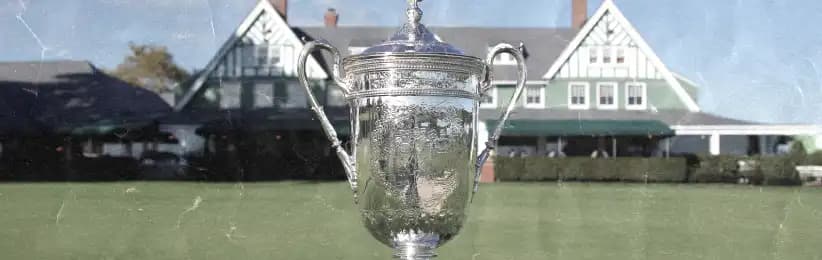
US Open golf betting fans know the routine by now.
While the 126th US Open golf tournament returns to Shinnecock Hills this year, golf bettors are ready for the punishing setup that the USGA applies to every course they choose, no matter what year it is. It just so happens that Shinnecock is among the toughest already, even without the sadists at the USGA trying to make the pros look like weekend duffers every June at the third major of the season.
Betting on the US Open means taking a different approach to the Masters or the PGA Championship though. Sharps can pick out the edges, but the casual bettor can easily get soaked.
The U.S. Open Isn’t Built for Your Outright Card
The U.S. Open can torch your outrights. It’s that simple.
Every June, the USGA rolls out a setup that is not designed to look good on the TV leaderboard. It’s also a setup that almost seems designed to make your bet slips look bad – if you weren’t dialed in beforehand.
If you’re used to players throwing darts at the average US course on the PGA Tour calendar, re-adjust your thinking. The average US Open winner since 2000 has hit just 4.5 below par after the final scorecard is signed. Most winners come in just around par, and by far most of the field finishes above par. It’s become kind of a grim joke for TV watchers and the overall media storyline, watching world‑class players suffer like many of us regular Joes do. The problem is, that “joke” is also brutal on public betting angles.
That’s because the typical casual bettor follows the same formula that they do for the Masters and more predictable events on the tour: ride the hot golfer that is playing like a birdie machine lately. Hammer the name everyone is talking about.
This is why the public so often finds itself sitting on tickets that looked great on Thursday morning but are close to dead by Friday afternoon.
The trick? Once you understand how the course is set up, you can avoid the noise and find some solid choices for who is still standing on Sunday afternoon.
Check out the latest Golf odds at Lucky Rebel.
Understand the Rough
Start with the rough.
At a typical Tour stop, a player can miss a fairway by a few yards – or if you’re Rory, by a mile sometimes – and still have a look at saving par on a nice up and down. They can still attack some pins from wherever they land off the tee.
At U.S. Open venues, though, the rough is regularly cut to somewhere between 3 inches minimum up to roughly Medusa’s hair length (and density). Most pros simply don’t even see this rough at any other point during the season. The USGA literally prepares that rough over months though.
Even after a great drive, balls that roll off just 1-2 feet into the hay are tough to find. Top players lose a stroke right there as their second shot just needs to come out alive – forget going for the green.
Public Betting Takes a Hit
How does this impact public betting? The guys everyone thinks are chalk are usually playing well heading into the US Open because they’ve been cruising on resort‑style setups. Wide, forgiving fairways that are made for TV and everyday members are the norm, as is manageable rough. Plus there’s the brand-name factor, where the public is naturally drawn to bet the usual headliners.
Scottie, Rory – anyone who’s currently in the PGA’s Top 10-15 really – looks unbeatable when they can bomb driver anywhere and still fire at flags. Current form and brand name power can come up short when they hit the US Open though.
Just look at recent winners of the US Open. Scottie’s never won it, for starters. Rory’s last US Open win came way back in 2011, and that’s the only U.S. Open Championship Trophy in his display case. J.J. Spaun, Wyndham Clark, Gary Woodland… these are the winners of 3 of the past 7 years. Great golfers who can bring it any given weekend, but not on anyone’s chalk list when it comes to US Open Futures.
It’s simple enough. With the monster US Open rough, bogeys are often in play, and that levels the playing field. That’s because the actual margin in the PGA is razor-thin. Any given week on tour, everyone in the field can put up a number for 4 days straight and win an event. So when it gets to the US Open and trouble in the rough is as bad for the top dogs as it is for #47 on tour, that’s when you start finding different bets.
Scrambling Can Give You the Real Edge
Because the greens are so hard to hit in regulation, U.S. Open leaderboards often lean toward players who can scramble their way out of regular trouble.
The modern Tour data shows us that the best scramblers in any given season are saving par over 70% of the time when they miss greens. This becomes a huge separator once the field starts missing everything on the weekend.
For a solid US Open strategy, you can start with the PGA Tour’s Scrambling from the Rough rankings, updated weekly. Find a player (or multiple players) in there who can match your idea of who could take the US Open outright, or play them in a Top 5, 10, or 25 bet. Other PGA Tour data, including approach rankings, overall scrambling, scrambling by distance or lie, will help you drill down more if you want.
Historically, U.S. Open champions have often ranked near the top of the field in scrambling for the week. They’re not putting the lights out either – they’ve usually been closer to middle‑of‑the‑pack in total birdies. It’s that they haven’t blown up with any doubles or triples, and they’ve hit pars when that’s all the course gives them.
That’s all solid betting data for the smart money. It’s not what average people gravitate to, since they like the highlight‑reel putters and long-ball hitters. The sharps aren’t distracted though. They’ll take the W with the grinders who turn a guaranteed bogey for most of the field into a boring par.
The Golden Rule of the US Open
The bottom line is pretty simple. The U.S. Open is not a continuation of the PGA Tour season. It’s its own beast. Making the contrarian play and fading the hottest names on tour while also digging into the grinders and scramblers is often the way to play it.