
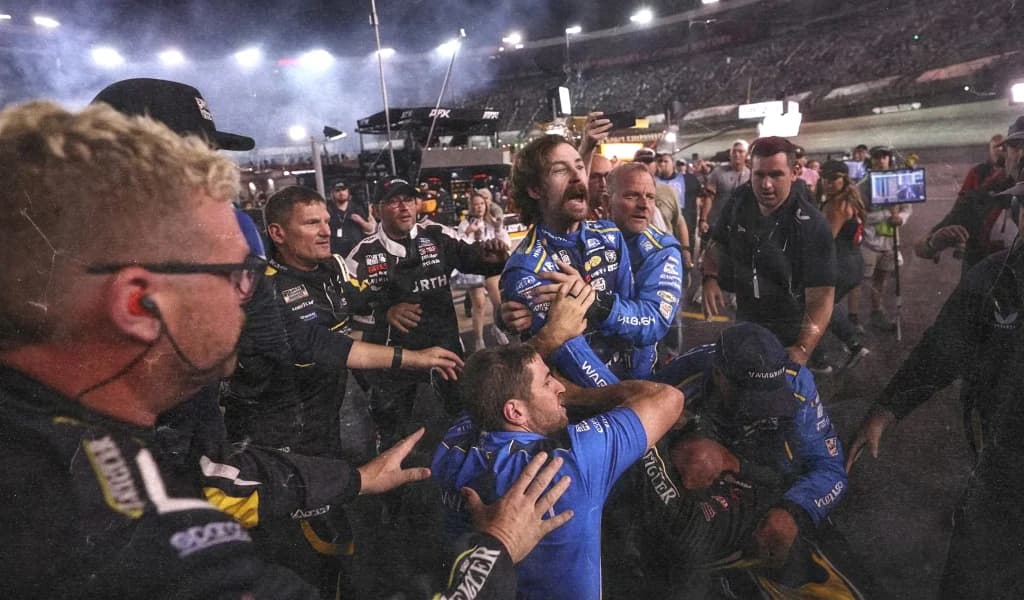
One bad race could suddenly matter more than an entire season and it was bad for the sport
Ryan Newman just needed one position in 2014.
On the final lap, he forced his way past Kyle Larson to finish 11th. That move put Newman into NASCAR’s championship finale and knocked Jeff Gordon out. A driver without a victory that season was now one race away from the Cup title, and an all-time legend was on the couch for the biggest race of the year.
Betting on NASCAR showed that this format had some serious issues. Picking the best driver and picking the eventual champion could be completely different things. Not good for NASCAR fans and not ideal for NASCAR betting either.
When Consistency Was Enough
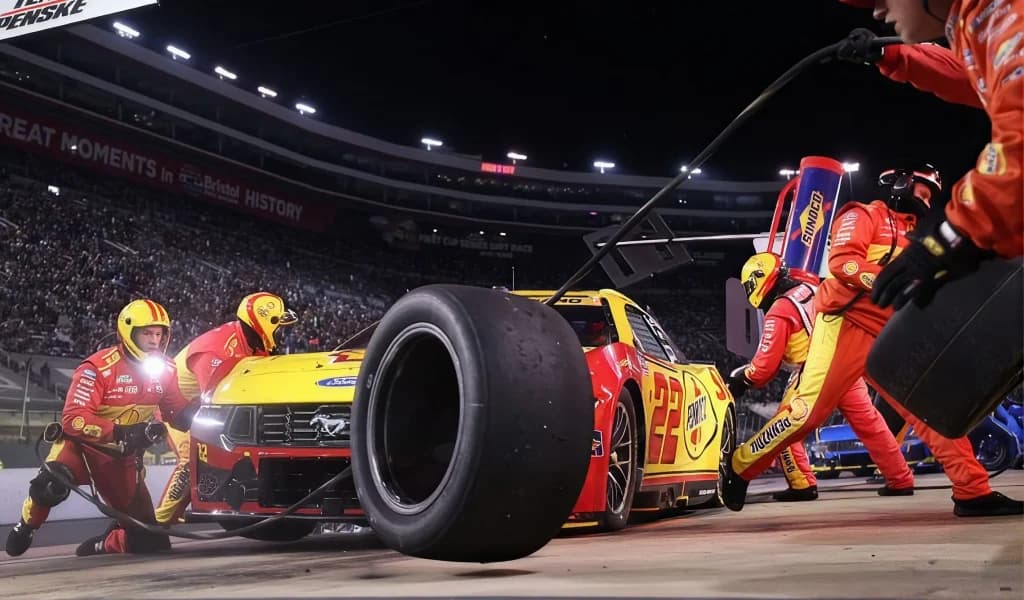
Through the end of the 2003 season, before NASCAR started narrowing the championship field, the basic assignment was as straightforward as a straightaway. Drivers collected points across the season and the one with the most at the end was the Cup Series champion (aka the Winston Cup champion).
Driving-wise, a bad Sunday hurt, but with 36 races there was usually time to recover.
Matt Kenseth’s 2003 championship captured that approach. He only won once all season but delivered 25 top-10 finishes across the 36. A fifth-place finish could be valuable without making the highlights. He didn’t waste any afternoons but also didn’t take crazy chances.
NASCAR introduced the Chase the following season. They didn’t say it out loud, but having a driver as the champion of the entire season who only reached Victory Lane once was pretty lame.
What they wanted was to add more excitement and to capture more eyeballs during a busy fall season across all sports. Having legends like Dale Earnhardt and Jeff Gordon win titles was great. Having them lock the championship up before the season even ended was less great.
At the same time, Kenseth’s title became the obvious reference point for the change, but you have to think change was in the works before just one driver made it happen.
The Chase is Born
The Chase was added in 2004 to create a whole new structure. Being excellent early in the season still mattered, but being excellent late could matter more. Just like you don’t want to see the Yankees, Lakers or Chiefs lock things up early, NASCAR fans tuned out when it was obvious late in the season who’d be the champ before the season was over.
The Chase ran from 2004-2014 in that format. Tony Stewart showed the upside of all the suspense late in 2011. All five of his victories came during the Chase. Clutch performances under pressure, with the points race tightening up every weekend. Stewart showed how a late surge could rewrite the season. Back to the baseball metaphor: seeing Aaron Judge mash in October in the bottom of the ninth is 100X more exciting and draws more fans than seeing him do it in August.
It made the NASCAR championship a series of survival tests, ending with four eligible drivers fighting for the title in one race. It wasn’t perfect though.
Ryan Newman, driving the No. 31 Chevrolet in his first season with Richard Childress Racing, exposed this. He reached the final playoff elimination race at Phoenix without a single win, spending the season making consistent finishes but never hitting Victory Lane.
Newman was never the fastest (and let’s be honest, he doesn’t come to mind when you try to think of NASCAR’s great drivers). He just needed to keep doing enough to survive.
He then finished second to Kevin Harvick in the Homestead finale, his best result of the season that put him into the books as the championship runner-up. Harvick won both the race and the title, but the Chase format of that period had nearly crowned a winless champion.
Under the elimination format, a driver could advance without dominating, then arrive at the finale only needing to beat the other three title contenders.
The Chase Needed to Change
Kevin Harvick’s 2020 season showed the other side of that near-win by Newman.
He won nine races that season and earned the regular-season championship. He failed to reach the Championship 4 after finishing 17th at Martinsville in the second-to-last race though.
Harvick entered Martinsville with a 42-point cushion over the elimination line. He had to fight for advancement on points to make the final but missed it by one more position. It’s a bad look for NASCAR (and a bad beat for NASCAR futures betting fans) to have literally one of the best, if not the best, drivers on the circuit not competing in the final.
The Cup Series Takes a New Turn
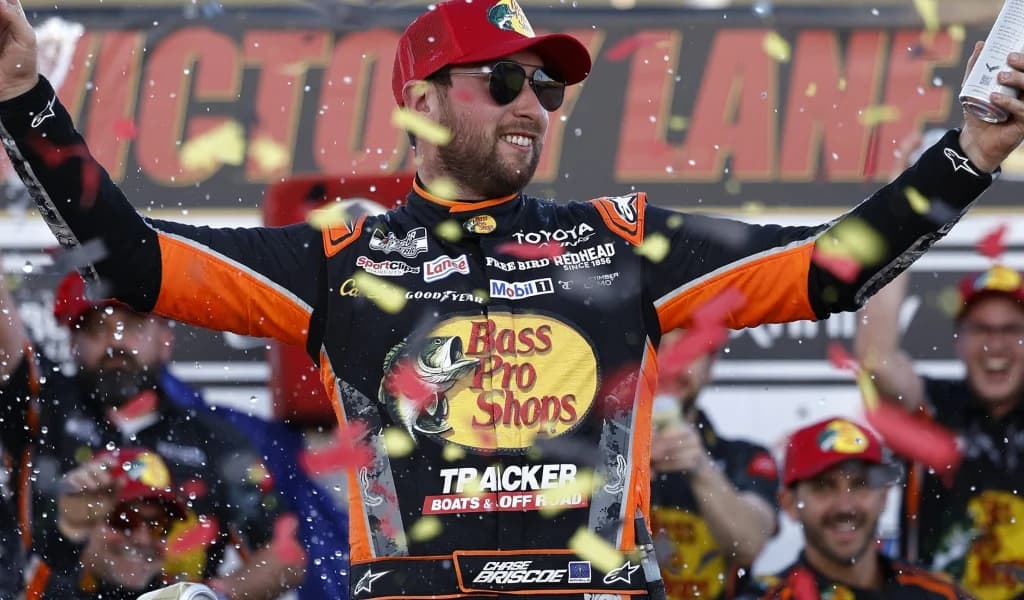
For 2026, NASCAR changed course. Took a while after that 2020 fiasco, but they are trying it out at last.
The Cup Series Championship returned to a 10-race Chase, but with some differences.
The top 16 drivers now qualify through regular-season points after 26 races. Winning a regular season race no longer guarantees entry into The Chase.
Their points are then reset according to their regular-season positions, giving the higher-ranked drivers a head start but not carrying over their full points totals. All 16 remain eligible throughout the final 10 races, with no elimination rounds. That keeps the biggest names in the headlines and avoids a Harvick 2020 situation. The driver who finishes the Chase with the most points wins the championship.
Wins still carry extra weight all season, even with the guaranteed entry gone. A victory now pays 55 points, up from 40. The regular-season points leader also gets a 25-point advantage over the second seed at the reset.
For NASCAR bettors, the emphasis is now on sustained performance across the Chase instead of just simply surviving some rounds and targeting one championship track. Bettors and fans need to be engaged right till the end of the season, which is NASCAR’s ultimate goal.